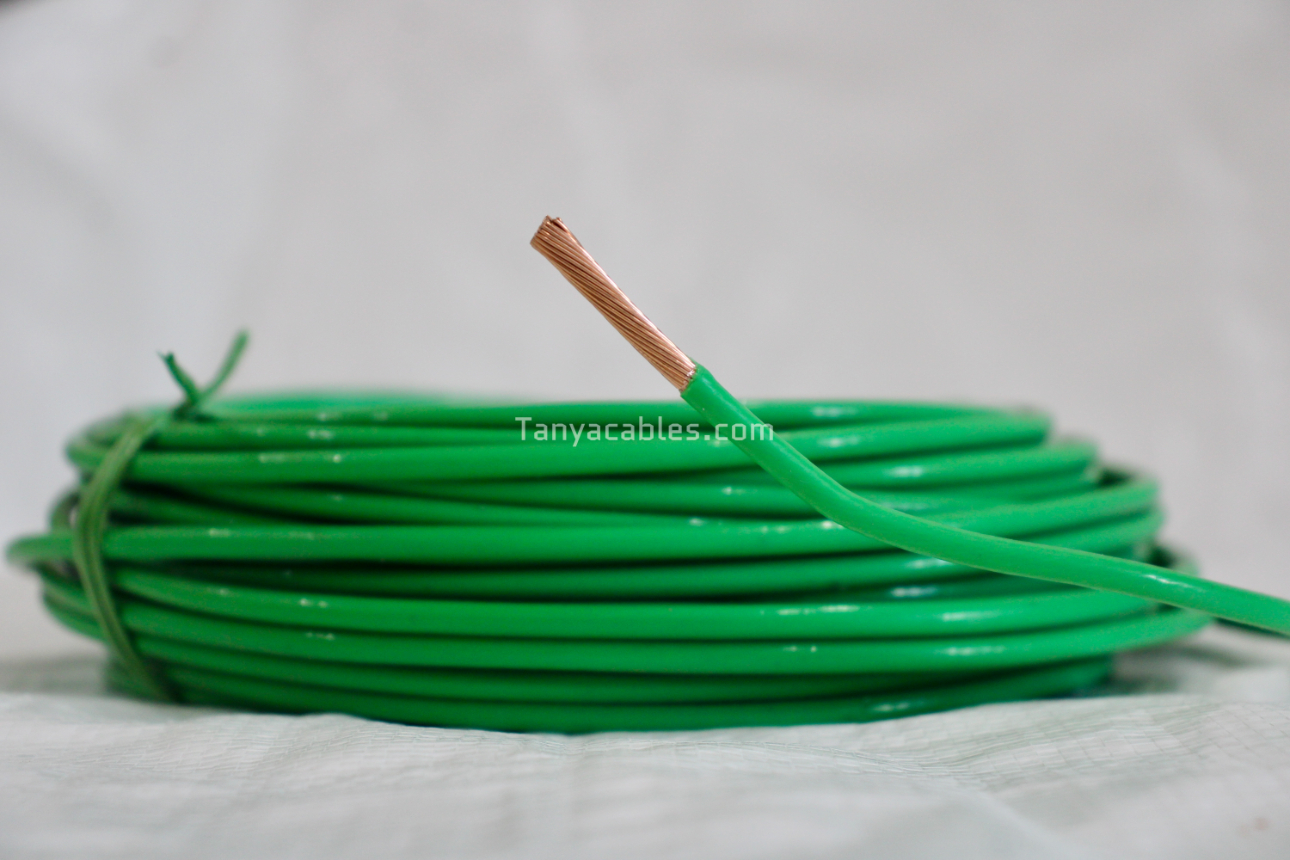
Key Benefits of PFA Insulated Wires
- Works across an extreme temperature range — from -200°C in cryogenic systems to +260°C in high-heat industrial setups
- Resists virtually all industrial chemicals — strong acids, alkalis, solvents, and corrosive media do not affect the insulation
- Stays flexible even at very low temperatures — no cracking or brittleness in cold environments
- Excellent electrical properties — low signal loss and high dielectric strength for precision applications
- Smooth, non-reactive surface — suitable for pharmaceutical, food-grade, and semiconductor cleanroom environments
- Does not age or harden — PFA maintains its properties over a long service life without degradation
Where PFA Insulated Wires Are Used
PFA wires are chosen when nothing else is tough enough. Here is where our customers use them most often:
- Pharmaceutical manufacturing — wires must resist cleaning chemicals and prevent any form of contamination
- Chemical processing plants — constant exposure to aggressive solvents and acids demands insulation that holds up
- Semiconductor and electronics — precision and purity of electrical signals are non-negotiable in this sector
- Aerospace and defence — extreme temperature ranges from ground level to altitude are part of normal operation
- Laboratory and analytical instruments — consistent, low-noise electrical performance is critical for accurate readings
- Food processing equipment — smooth, non-toxic surface makes PFA safe and easy to clean in food environments
Certificates
Technical specifications
HAR
HAR certificate No. CA01.00764
Rated voltage
450/750 VAC
Oil resistance
EN 50363-2-1
Short-circuit temperature
200°C
Rated temperature
-50 ÷ 90°C (@ fixed installation), -30 ÷ 90°C ( in dynamic installations )
Minimum bending radius
8D free movement, 6D @ fixed installation
Technical sheet
download
Available types of packaging
Frequently Asked Questions
What is a PFA insulated wire?
PFA stands for Perfluoroalkoxy Alkane — a high-performance fluoropolymer material used to coat electrical wires. In plain terms, it is an advanced insulation that protects the wire from extreme temperatures, aggressive chemicals, and physical damage. PFA wires are the choice in industries where failure is not an option.
What temperature range can PFA insulated wires handle?
Our PFA insulated wires are rated to work from -200°C to +260°C. That is an exceptionally wide range — covering everything from cryogenic laboratory setups to high-temperature industrial furnaces and aerospace systems.
How is PFA different from PTFE and FEP wires?
All three belong to the fluoropolymer family, but each has its own strengths. PFA offers temperature performance close to PTFE (up to 260°C) while being more flexible and easier to process — similar to FEP. PFA also has a very smooth, clean surface which makes it preferred in pharmaceutical and semiconductor cleanroom environments where PTFE and FEP may not meet purity requirements.
Are PFA wires safe for pharmaceutical and food processing applications?
Yes. PFA has a smooth, non-reactive surface that does not absorb chemicals or release contaminants. This makes it a trusted choice in pharmaceutical production, food processing equipment, and laboratory instruments where hygiene and material purity are critical requirements.
Can I order PFA wires in custom sizes or specifications?
Yes. We offer full customization — conductor size, insulation wall thickness, wire length, and color coding can all be specified. Share your application requirements with us and our technical team will recommend the right configuration and provide a quote.
Do your PFA wires come with certifications?
Yes. Our PFA insulated wires carry RoHS, REACH, HAR, CE, AD8, and Halogen-Free certifications. These confirm that our wires meet both Indian and international safety, quality, and environmental standards — giving you confidence in the product you are buying.