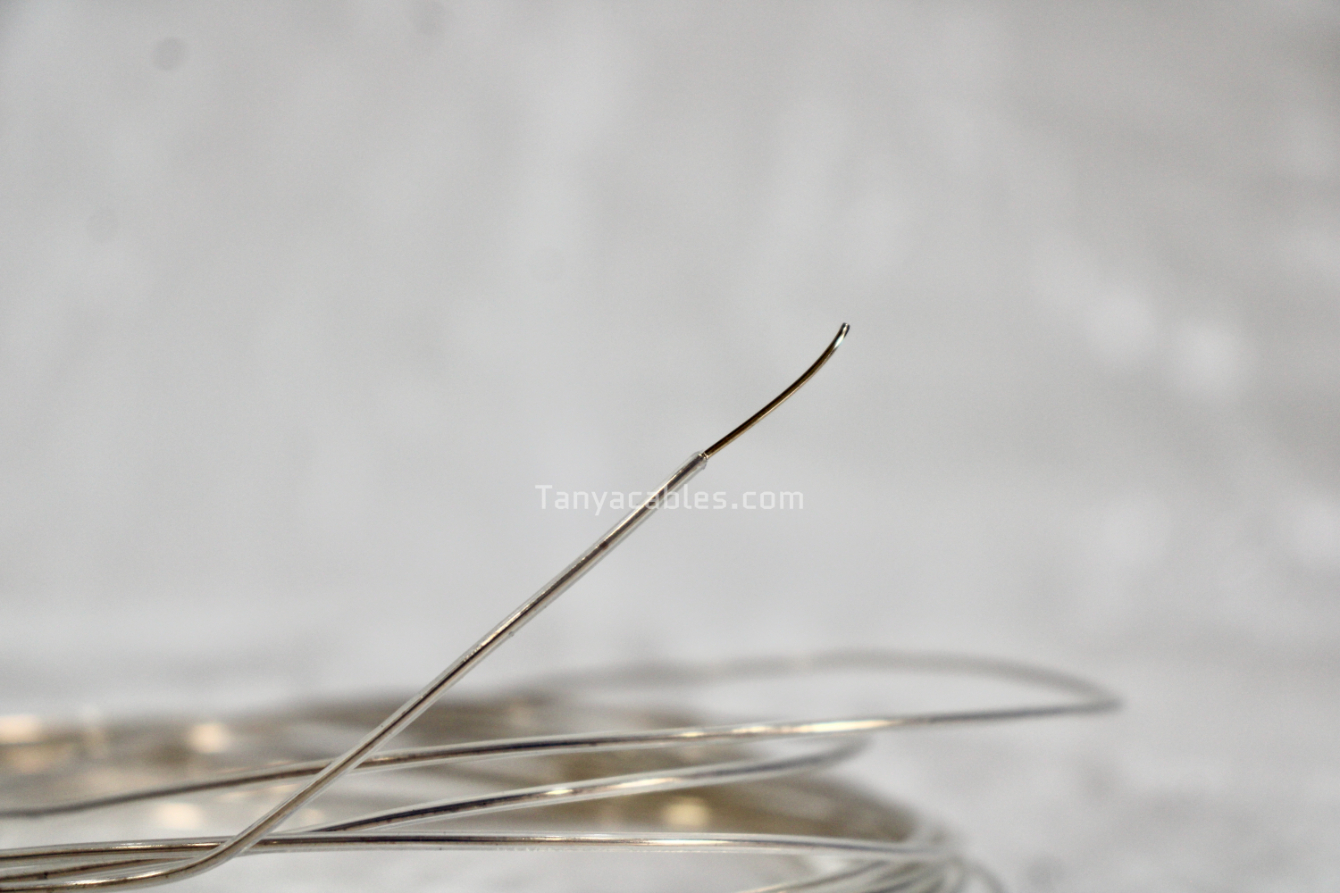
Key Benefits of ETFE Insulated Wires
- Tough outer coating that resists cuts and scrapes without making the wire bulky
- Lightweight build that helps cut overall system weight, a big plus for EVs and aircraft
- Thin insulation walls that let you pack more wires into less space, safely
- Broad temperature range that works well in both cold storage and high-heat industrial areas
- Strong chemical resistance against fuels, oils, solvents and most industrial substances
- Long-lasting flexibility that resists cracking even after years of bending and vibration
Where ETFE Insulated Wires Are Used
If you need a wire that's mechanically strong and doesn't take up much room, ETFE insulation is a solid fit. Common uses include:
- Automotive wiring harnesses — copes with heat, fuel contact and ongoing vibration inside vehicles
- Aerospace and defence systems — light in weight yet dependable where every gram matters
- Industrial machinery — holds up against chemicals, moisture and daily physical stress on the factory floor
- Medical equipment — reliable, safe insulation for delicate electrical systems in healthcare devices
- Oil and gas installations — built to handle chemical exposure and heat in demanding environments
- LED and lighting systems — thin walls help manage heat in compact, densely wired setups
Certificates
Technical specifications
HAR
HAR certificate No. CA01.00764
Rated voltage
450/750 VAC
Oil resistance
EN 50363-2-1
Short-circuit temperature
200°C
Rated temperature
-50 ÷ 90°C (@ fixed installation), -30 ÷ 90°C ( in dynamic installations )
Minimum bending radius
8D free movement, 6D @ fixed installation
Technical sheet
download
Available types of packaging
Frequently Asked Questions
What is an ETFE insulated wire?
ETFE, or Ethylene Tetrafluoroethylene, is a tough, lightweight fluoropolymer used to coat electrical wires. The coating shields the wire from heat, chemicals and physical damage, which is why ETFE wires are trusted in industries where regular wires struggle to keep up.
What temperature range can ETFE wires handle?
Our ETFE insulated wires are built to perform between -50°C and 150°C. That covers everything from cold storage settings to hot industrial environments, without any loss in insulating quality.
Are ETFE wires suitable for automotive and aerospace use?
Yes. Their light weight, flexibility and resistance to fuel, oil and vibration make ETFE wires a natural fit for automotive and aerospace use. Our wires also carry RoHS, REACH, CE and HAR certifications that these sectors require.
What is the difference between ETFE, FEP, and PFA wires?
All three are fluoropolymer insulated wires, but each brings something different. ETFE is the toughest and lightest, great for harnesses and tight spaces. FEP suits jobs needing low friction and clarity. PFA copes with higher heat and the toughest chemical exposure. The right pick depends on where and how the wire will be used.
Can I order ETFE wires in custom sizes or specifications?
Yes. We build wires to your exact needs, adjusting conductor size, insulation thickness, length and colour coding. Tell us your requirements and our technical team will work out the right configuration for you.
Do your ETFE wires come with certifications?
Yes. Every ETFE insulated wire we supply is certified under RoHS, REACH, HAR, CE, AD8 and Halogen-Free standards, meeting both Indian and international safety and quality benchmarks so you can order with confidence.