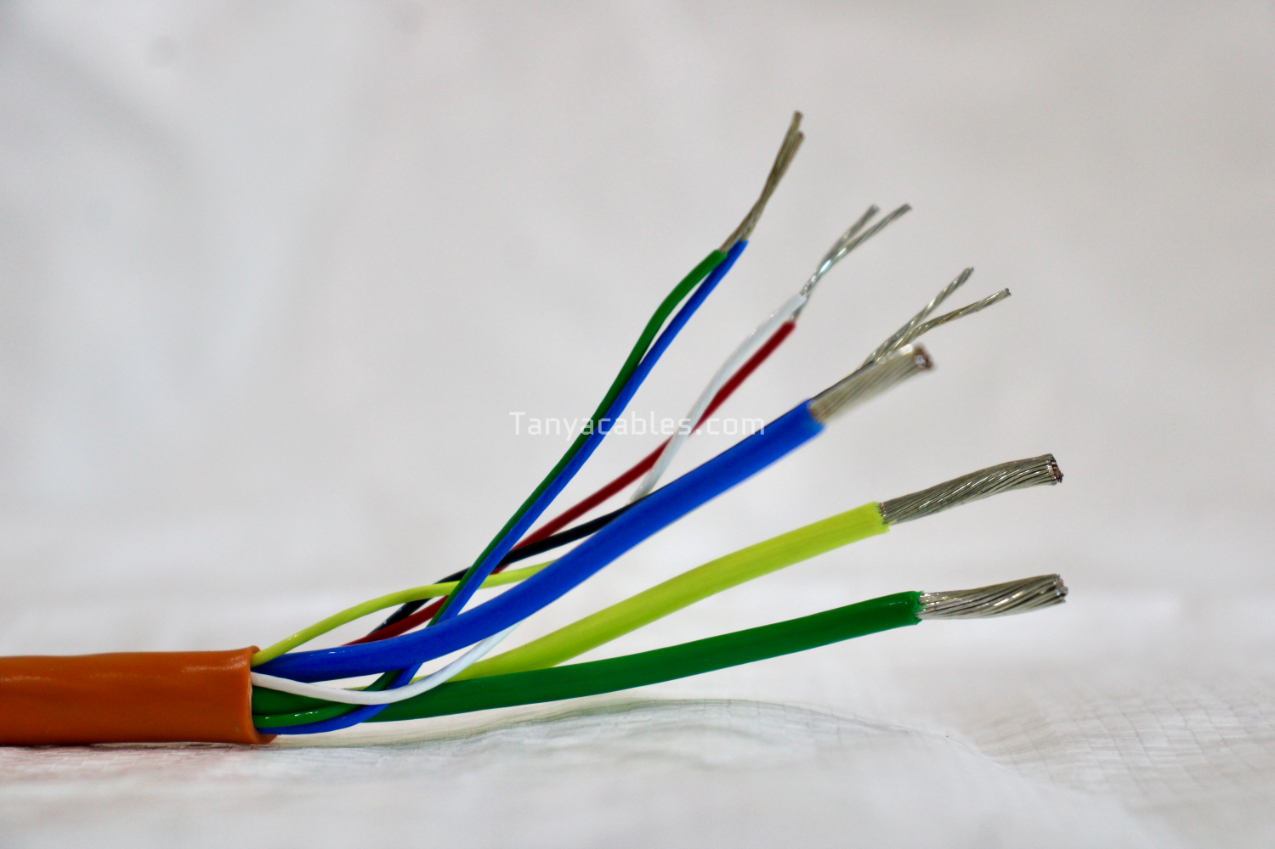
What makes a good automotive harness cable?
A good harness cable does four things well: it carries current safely, it survives heat and vibration, it resists oil, fuel and moisture, and it stays flexible enough to route through tight spaces. Poor insulation cracks, melts or swells over time, and that causes short circuits, signal noise and costly warranty claims. We design our cables around these four points and test them before they leave our unit in Meerut.
How we make and check our cables
We use clean copper conductors and virgin-grade FEP insulation. The insulation is applied with careful control of wall thickness, so the wire stays round, smooth and consistent from the first metre to the last. Each batch is checked for conductor size, insulation thickness, high-voltage withstand and surface quality, as per agreed standards and your own drawings. If you need a test report, we can share it.
Our team also supports you before and after the sale. We help you compare options, suggest alternatives if your first choice is not the best fit, and stay in touch for repeat orders. Clear specifications, honest advice and on-time delivery are what we promise to every customer.
Advantages of FEP Insulation in Automotive Wiring Harnesses
- Handles high heat: FEP as a material can work continuously up to about 200°C, which suits under-hood, gearbox and powertrain zones (final rating depends on the cable construction, see the table below)
- Resists fuels, engine oil, coolant, brake fluid and cleaning chemicals, so insulation does not soften or swell
- Thin walls, light weight: you can fit more circuits in the same space and cut harness weight, which helps fuel economy and EV range
- Stable electrical performance even when temperature keeps rising and falling and the vehicle keeps vibrating
- Long insulation life, which means fewer failures and fewer service visits over the life of the vehicle
- Flame-retardant, low-smoke behaviour that supports vehicle safety goals
- Works for both signal and power circuits, including those in hybrid and electric vehicle designs
Where are these cables used?
- Engine bay wiring: sensors, injectors, ignition and starter circuits
- Gearbox, transmission and exhaust-side sensors
- EV and hybrid vehicles: battery packs, chargers, motor controllers and sensing lines
- Two-wheelers, three-wheelers, tractors and commercial vehicles
- Lighting circuits and special applications where wires touch oil, fuel or liquids
- Aftermarket and repair harnesses that need a tougher replacement wire
FEP vs PVC: a quick comparison
PVC is common and costs less, so it is fine for cabin wiring and cool areas. But in hot or chemical-heavy zones, PVC can harden, crack or melt sooner. FEP costs more per metre, yet it lasts longer in harsh spots and allows thinner insulation. Many buyers use PVC inside the cabin and FEP only where heat and fluids are a problem. This keeps cost balanced and reliability high. If you are not sure which zone needs which wire, send us your layout and we will guide you.
How to choose the right automotive harness cable
- Check the highest temperature the wire will see, including heat from nearby parts
- Note the current and voltage so the conductor size (gauge) is not too small
- List the fluids the wire may touch: oil, fuel, coolant, battery fluid or washer fluid
- Think about movement: fixed wiring and moving wiring need different strand counts and bend radius
- Match the standard your customer asks for, such as ISO 19642 or SAE J1128 for road vehicle cables
- Choose colours and packing (rolls or reels) that suit your harness line
Certificates
Technical specifications
HAR
HAR certificate No. CA01.00764
Rated voltage
450/750 VAC
Oil resistance
EN 50363-2-1
Short-circuit temperature
200°C
Rated temperature
-50 ÷ 90°C (@ fixed installation), -30 ÷ 90°C ( in dynamic installations )
Minimum bending radius
8D free movement, 6D @ fixed installation
Technical sheet
download
Available types of packaging
Frequently asked questions
What are automotive harness cables?
They are insulated copper wires that carry power and signals between the battery, sensors, lights, control units and motors of a vehicle. Many of them are bundled into a wiring harness so they are easy to fit and stay protected.
Why use FEP insulation in automotive wires?
FEP handles heat, fuels, oils, coolants and chemicals better than common PVC. It also allows thin insulation walls, so harnesses become lighter and more compact. This helps near the engine, gearbox and exhaust area, and in electric vehicle packs.
Which vehicles can use your automotive harness cables?
Cars, motorcycles, scooters, commercial vehicles, tractors and hybrid or electric vehicles, depending on the voltage and temperature needs of the circuit. Share your circuit details and we will suggest the right construction.
What is the temperature range of FEP automotive cable?
FEP as a material can work continuously up to about 200°C. The rating of a finished cable depends on its conductor and construction, so please check the technical specifications above or ask for our datasheet before final selection.
Is FEP better than PVC for car wiring?
In hot zones and places that touch oil or fuel, yes. FEP lasts longer and allows thinner insulation. For cool cabin areas, PVC is often enough and costs less. Many harness makers use both.
Can I get custom sizes, colours and packing?
Yes. We offer custom conductor sizes, strand counts, wall thickness, colours and printing. We supply on rolls or reels. Send your drawing or requirement through the form on this page.
How do you test your cables?
Every batch is checked for conductor size, insulation thickness, high-voltage withstand and surface quality, as per agreed standards and customer requirements. Test reports can be shared on request.
Where are you located and how can I get a quote?
We are at Ved Vyas Puri Industrial Area, Meerut, Uttar Pradesh, India. Fill the form on this page, email info@fepwires.com or call +91 9045024844.
About the author
Written by the Tanya Enterprises Technical Team, Meerut, Uttar Pradesh. Our team works every day on FEP, PFA and ETFE insulated wires for industrial, thermal and automotive use, and answers customer questions on material choice, sizing and testing.