The short answer
PVC is cheaper to buy and perfectly good for cool, dry, low-stress areas. FEP wires cost more, but they last longer in hot, oily or chemical-heavy spots and allow thinner insulation. Over time, FEP usually wins where PVC would fail early, and PVC wins everywhere else.
What PVC does well, and where it struggles
PVC is common, easy to source and inexpensive. In an office panel, a cabin or a dry indoor run, it does the job. In hot or chemical-heavy zones it can harden, crack or soften sooner. Each failure then brings costs that were never in the price list: a stopped machine, a technician's time, a replacement wire and sometimes a damaged connected part.
What FEP wires add
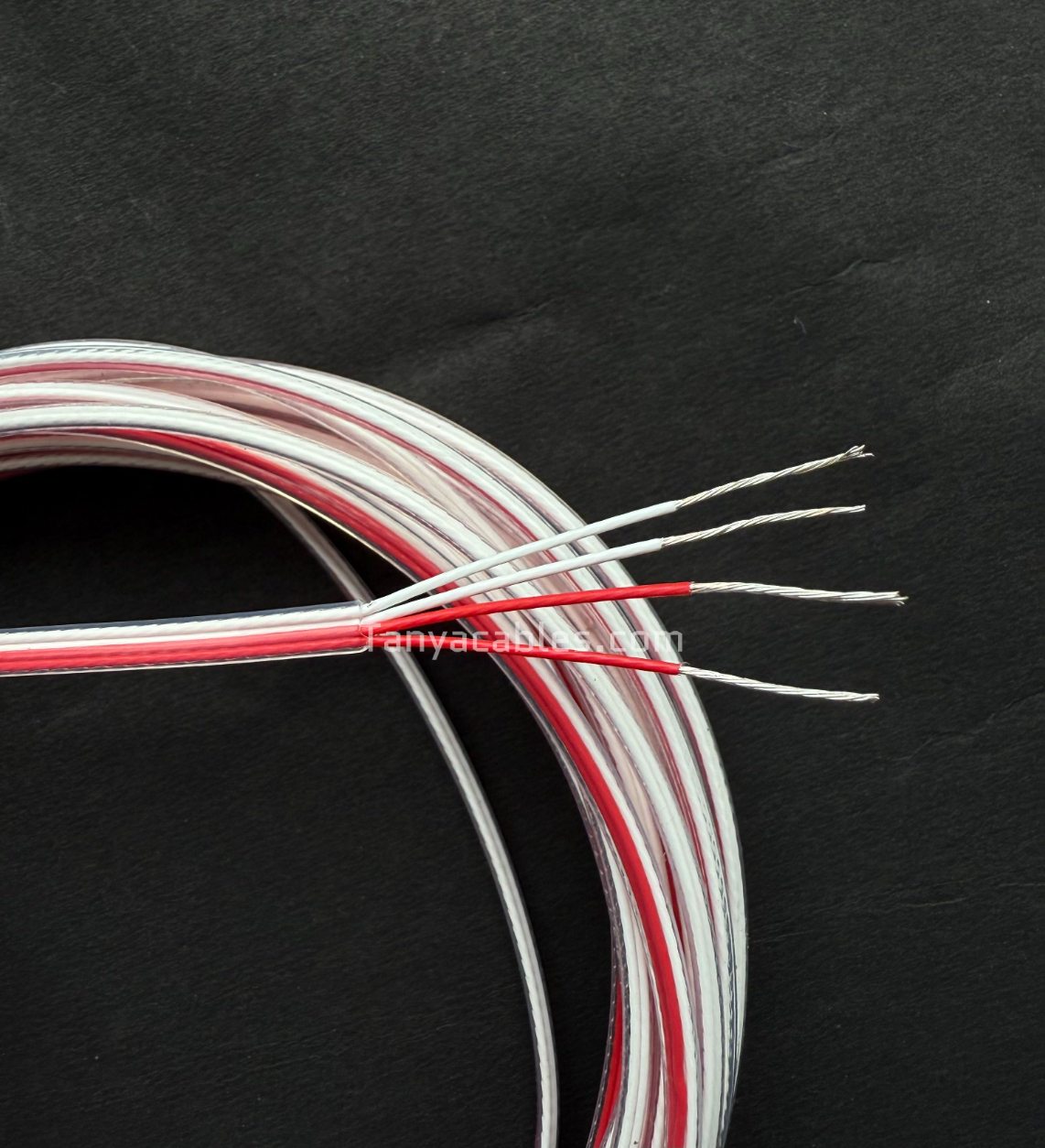
FEP is a fluoropolymer. It resists oils, moisture and most industrial chemicals, keeps performing under tough operating conditions, and lasts a long time. Its thin, smooth insulation also makes it easier to route through tight spaces. Our FEP insulated wires are rated for -50°C to 90°C in fixed installations and -30°C to 90°C where the wire moves, with short-circuit temperatures up to 200°C. They are listed with a rated voltage of 450/750 VAC and a test voltage of 2500 VAC. Always confirm the figures on the datasheet for the exact wire you plan to buy.
| Factor | PVC | FEP |
|---|
| Price per metre | Lower | Higher |
| Hot or chemical-heavy zones | May harden or crack sooner | Built to last longer |
| Oil and moisture | Varies with the compound | Resists oils and moisture |
| Insulation thickness | Usually thicker | Thin walls possible |
| Cool, dry indoor use | Usually enough | Often more than you need |
How to count the real cost
Before you decide, put these questions next to the price per metre:
- How hot does the wire get in real use, including hot spots near machinery?
- Will it touch oils, fuels, cleaning agents or moisture?
- What does one failure cost in stopped production or service time?
- How hard is the wire to reach for replacement?
- Does thinner insulation help you fit more circuits or cut weight?
If the honest answers are "not hot, not wet, easy to replace", PVC is likely the better value. If several answers are bad, the dearer wire often pays for itself.
A mixed approach often works best
You do not have to choose one for the whole installation. Many harness makers use PVC inside the cabin and FEP only near heat and fluids, as we explain in our guide to automotive harness cables. The same logic applies in machinery: standard wire in the control cabinet, FEP at the heater, sensor or hot process line. For heating circuits specifically, see FEP insulated heating wires.
When to look at other fluoropolymers
If the wire will flex constantly, ETFE insulated wires are worth comparing. If you need a higher temperature margin, look at PFA insulated wires. Our guide on FEP vs PFA vs PTFE compares them side by side, and our FEP wires buying checklist covers what to check before you order.
About Tanya Enterprises
We are a wire manufacturer in Vedvyaspuri Industrial Area, Meerut, Uttar Pradesh. Our FEP wires carry RoHS, REACH, HAR, CE, AD8 and Halogen-Free approvals, and conductor size, insulation thickness, length and colour coding can be customised to your requirement. You can see the wider range on our electrical cables page.
Frequently Asked Questions
Are FEP wires more expensive than PVC wires?
Yes, FEP costs more per metre than PVC. The higher price is usually justified only where heat, chemicals, oils or moisture would shorten the life of PVC. In cool, dry areas, PVC is often enough.
Can I use FEP wires and PVC wires in the same installation?
Yes. Many installations use PVC in cool, dry areas and FEP only in hot or chemical-heavy zones. This keeps the overall cost balanced while protecting the most demanding parts of the system.
What temperature rating do Tanya Enterprises FEP insulated wires have?
They work from -50°C to 90°C in fixed installations and -30°C to 90°C where the wire moves, with short-circuit temperatures up to 200°C. Always check the datasheet for the exact wire you choose.
Can FEP wires be customised?
Yes. At Tanya Enterprises, conductor size, insulation thickness, wire length and colour coding can be set to your specification.
Final thought
Judge wire by the cost of owning it, not the price of buying it. Use PVC where conditions are mild, FEP where heat, oil and chemicals would wear the cheaper wire down, and confirm every rating on the datasheet. If you would like help, send your requirement through the form below.